2016/09/20
Environmental Knowledge
Causes and Processes of Scale Formation: How to Prevent and Remove Scale
Scale, primarily composed of calcium carbonate (CaCO₃), is prevalent in groundwater and natural water bodies. As a metallic ion, scale mainly consists of minerals such as calcium carbonate, calcium sulfate, and magnesium chloride. When the concentration of these minerals exceeds a certain level, chemical reactions occur at high temperatures, forming irreversible flaky scale known as calcium carbonate scale.
Impact of Scale on Process Equipment
For example, in the cooling process of plastic injection equipment, scale can frequently cause issues, leading to blocked cooling water pathways and equipment shutdowns. Many clients often inquire about improving water quality or installing equipment to eliminate calcium carbonate and scale from water. However, the primary cause of calcium carbonate scale formation lies not only in water quality but also in the operation of cooling towers.
Scale Formation Process
During the operation of cooling towers, new cooling water is continuously added. Over time, the concentration of calcium carbonate ions in the system gradually increases. When high-concentration calcium carbonate cooling water enters the heat exchanger of mechanical equipment, it rapidly forms scale upon heating. This scale adheres to the heat exchanger or water pipes, ultimately reducing heat exchange efficiency, causing overheating and equipment shutdown.
Cyclic Process of Scale Formation
- Cooling tower operates, adding new cooling water.
- Cooling water enters mechanical equipment for cooling.
- Heat evaporation increases the concentration of minerals in the water.
- Minerals in the water crystallize upon heating in the heat exchanger.
- Scale forms and adheres to the internal parts of the equipment.
- Over time, scale thickness increases, gradually reducing cooling efficiency.
- The process repeats, eventually leading to scale blockage of cooling water pathways, preventing proper cooling of mechanical equipment.
How to Prevent Scale Formation
Improve Water Quality and Regularly Change Water
Regularly test and adjust the quality of cooling water to reduce the calcium carbonate content.
Regular Cleaning and Maintenance
Periodically clean the cooling tower and heat exchanger to ensure the normal operation of the cooling system.
Choose Linkcooling Closed-Circuit Cooling Towers
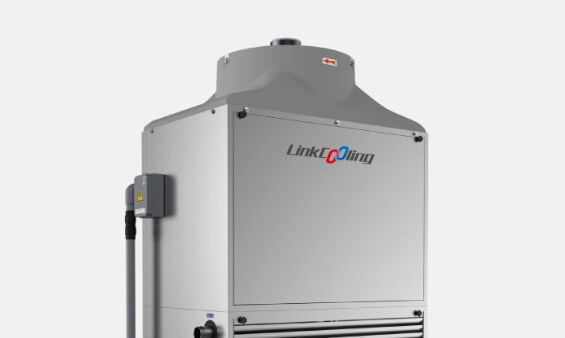
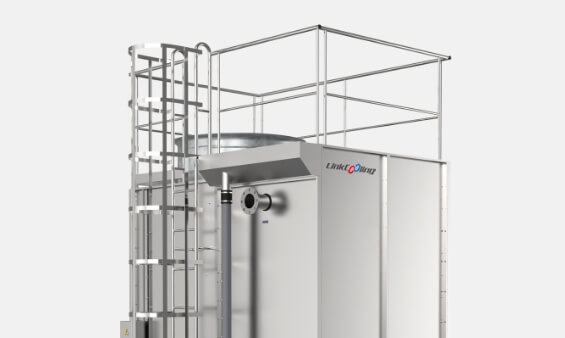
Linkcooling closed-circuit cooling towers utilize a design that separates internal and external water flows to prevent scale from entering your mechanical equipment.
Scale formation is a common and troublesome issue in cooling systems, especially in plastic injection equipment. By understanding the causes and processes of scale formation and adopting effective preventive measures, the impact of scale can be significantly reduced, ensuring high-efficiency operation and extending the lifespan of equipment.
We are committed to providing efficient and reliable cooling solutions to ensure stable operation of your equipment. For more information on process scale issues and solutions, please email us at [email protected] or call 04-26937836. We will provide you with prompt and professional service!