2017/02/07
Plastic Processing
Choice of a Changhua R-PET Plastic Manufacturer – Fighting Scale Together with Linkcooling
Project Overview
- Project Year: 2017
- Client: Leading R-PET plastic recycling and manufacturing company in Changhua
- Installation Location: Pitou Township, Changhua County, Taiwan
- Industry: R-PET recycling and plastic pellet manufacturing
- Main Products: PET pellets, recycled plastic products
- Equipment Cooled: Plastic injection molding machines
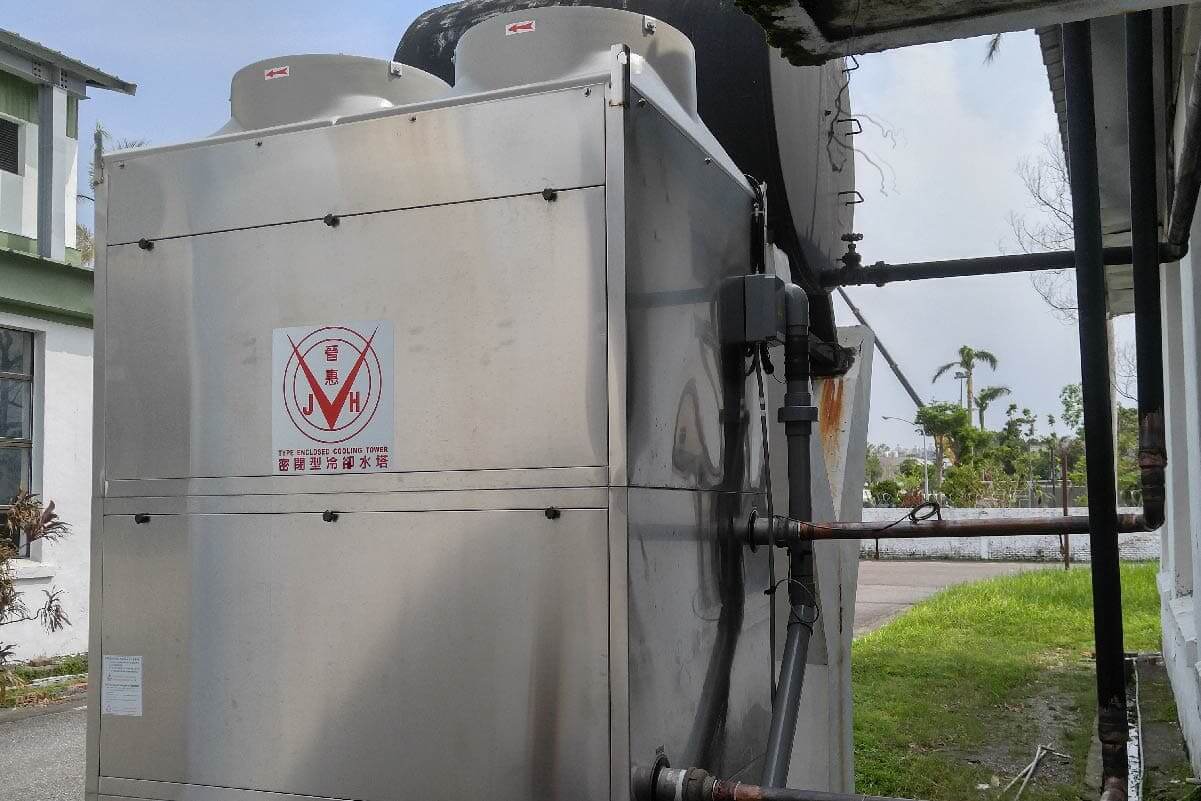
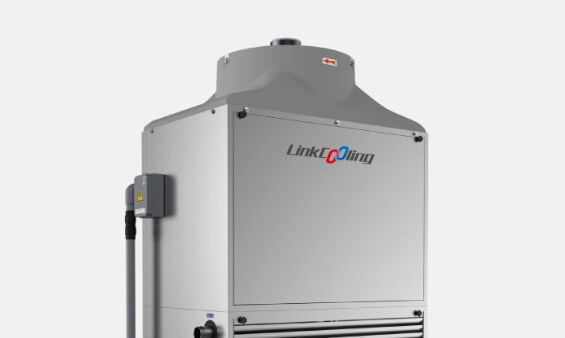
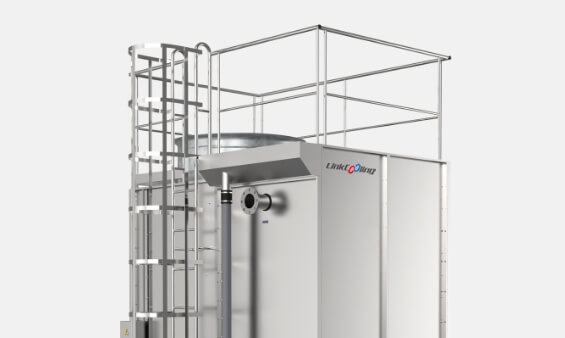
- Model Used: SCT-30 × 3 units (Closed-loop Cooling Tower)
Project Description
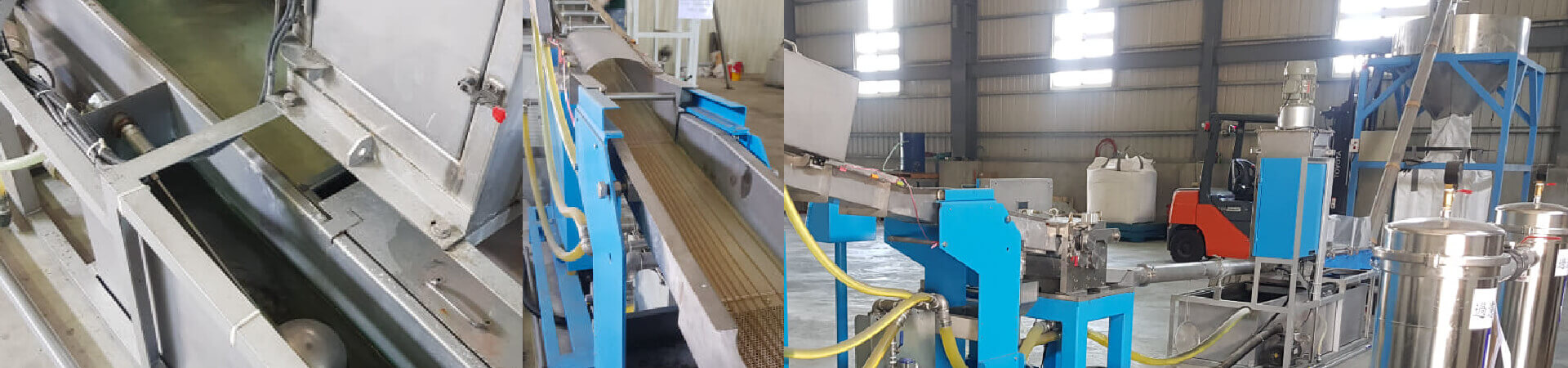
The leading R-PET plastic manufacturer in Changhua faced unstable cooling and scaling issues in its injection molding machines, affecting product quality. Traditional open cooling towers often introduced contaminants, compromising production. After diagnosis by the Linkcooling consulting team, three SCT-30 closed-loop cooling towers were installed, effectively preventing contamination and scaling, stabilizing the cooling water flow. Built with eco-friendly 304 stainless steel and durable ABS heat exchangers, the system provides energy efficiency, stability, and sustainability, significantly enhancing production line performance and equipment longevity.
Why Choose Linkcooling
The Changhua R-PET manufacturer processes mainly recycled polyester materials, such as bottles and containers. The plant manager places extreme importance on pellet quality, requiring a cooling environment free from debris and scale. After careful inquiry and comparison, the manager chose Linkcooling’s closed-loop cooling towers for their environmental focus, professional consultation, and comprehensive system planning.
Key Issues Diagnosis
Unstable Cooling and Water Flow Blockages
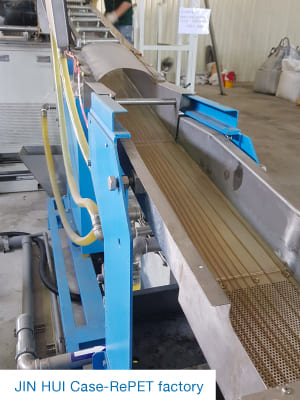
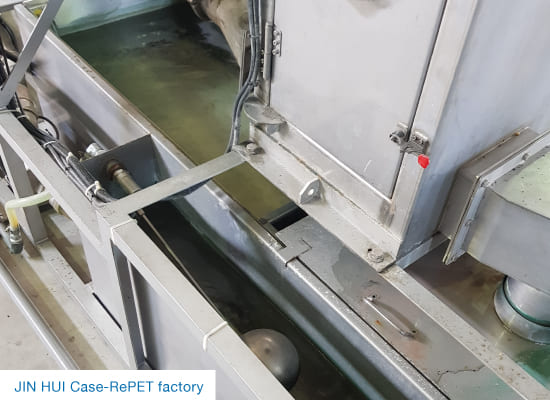
Due to strict temperature and cleanliness requirements, the company’s previously used open cooling towers frequently allowed debris and scale to enter the injection molding water tanks, causing blockages and decreased cooling efficiency. This disrupted production line stability and product quality, while also increasing maintenance frequency and operational costs.
Solution
To ensure product quality and process stability, the plant manager adopted Linkcooling’s professional advice and switched to a closed-loop cooling tower system that effectively prevents contamination. The Linkcooling team designed a high-efficiency, well-configured SCT-30 series closed-loop cooling tower system that successfully solved water contamination and unstable cooling issues, meeting the stringent standards required for high-quality production.
Design Features
Plastic pellet production involves temperatures of approximately 200–300°C with rapid production cycles. While chillers can provide effective cooling, they consume more energy. The SCT-30 closed-loop cooling towers installed by Linkcooling not only prevent external contamination and scaling but also optimize piping layout to achieve the desired cooling effect, fully addressing the R-PET manufacturer’s challenges.
Environmental Considerations
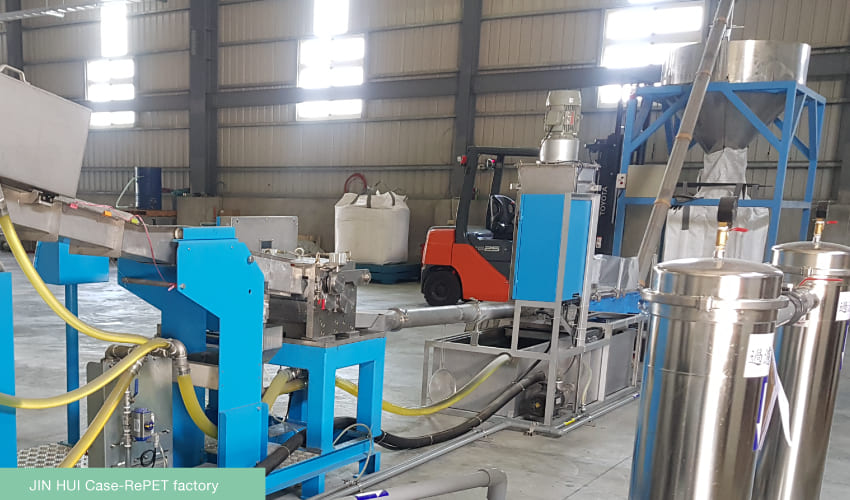
As a leading plastic recycling manufacturer, the client has long prioritized environmental sustainability. Traditional cooling towers generate significant waste, but Linkcooling’s closed-loop towers use 304 stainless steel instead of FRP, reducing secondary pollution and extending equipment lifespan. ABS heat exchangers provide high impact resistance, durability, and repeated use without consumables, combining efficiency, longevity, and eco-friendliness—making it the client’s preferred choice.
Conclusion
In R-PET manufacturing, poorly managed cooling systems lead to scale formation, which becomes a major hidden cost. This project demonstrates that closed-loop cooling towers are not only critical for temperature control but also represent a key asset for quality management and sustainable manufacturing.
| Metric | Before Implementation (Traditional System) | After Implementation (Closed-loop System) |
|---|---|---|
| Maintenance Frequency | High | Significantly Reduced |
| Downtime Risk from Scale & Contaminants | Frequent | Almost Eliminated |
| Cooling Stability | Unstable | Stable & Precisely Controlled |
| Energy Consumption | High (Chiller-based) | Reduced (High-efficiency closed-loop) |
| Environmental Impact & Image | High consumable usage | No consumables, aligned with ESG sustainability trends |